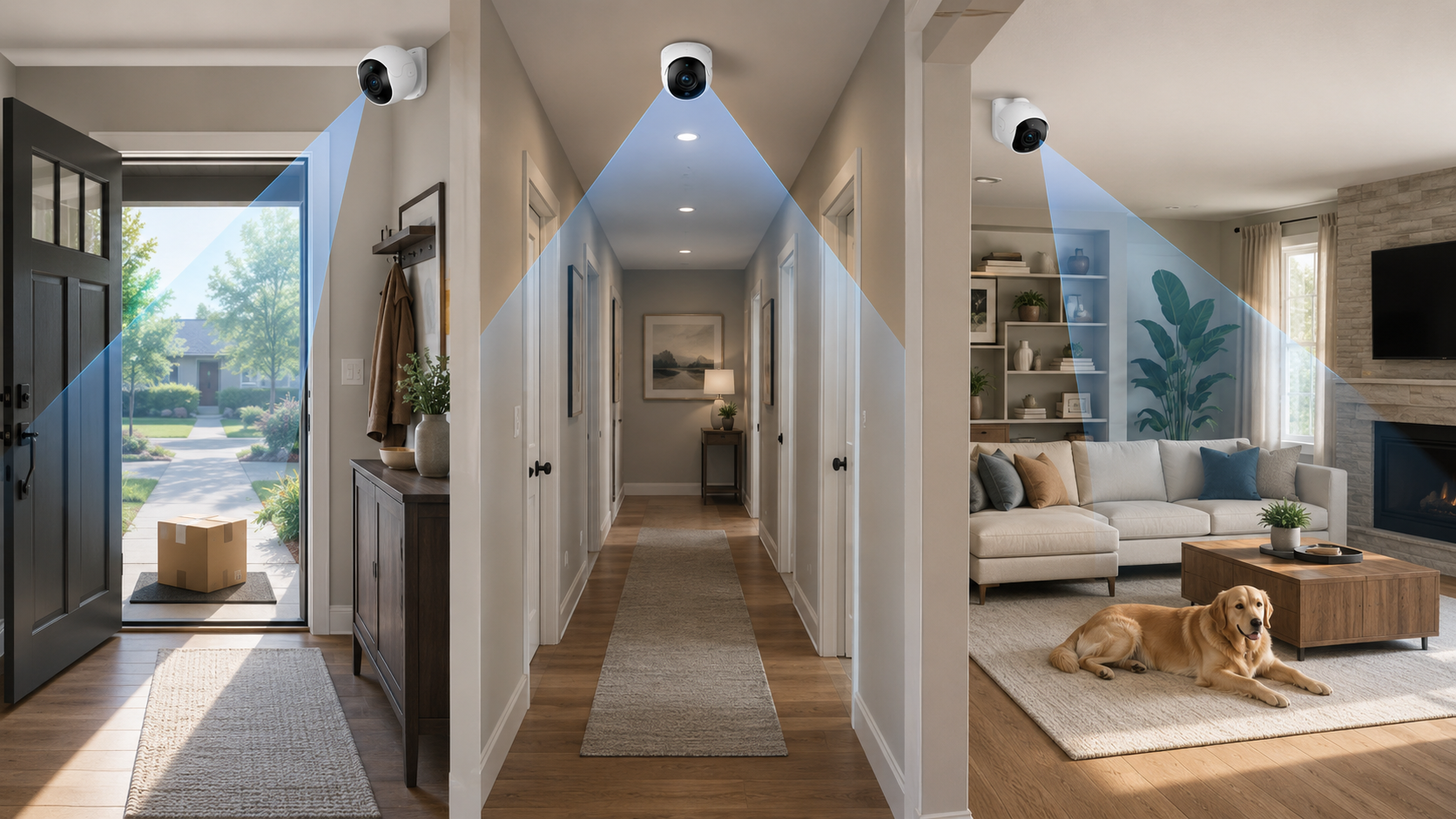
A well-planned video surveillance setup does more than record footage — it forms the backbone of reliable smart home security. Before mounting a single camera, homeowners need a strategy that accounts for coverage, connectivity, storage, and long-term maintenance. This guide walks through the practical steps for organizing a home monitoring system that actually works.
Why a Structured Approach Matters
Random camera placement often leaves blind spots exactly where they matter most — entry points, hallways, and shared living spaces. A structured approach ensures every camera has a purpose, whether that’s deterring intruders, monitoring deliveries, or supporting indoor activity tracking for family members and pets.
Assessing Your Home’s Coverage Needs
Start by walking through your property and identifying zones that require monitoring. Consider both perimeter security and interior awareness.
-
Front and back entry doors
-
Garage and driveway access
-
Windows on the ground floor
-
Staircases and hallways connecting main living areas
-
Rooms where children, elderly relatives, or pets spend most of their time
Once these zones are mapped out, it becomes easier to decide how many cameras are needed and which models suit each location.
Choosing Camera Placement and Angles
Placement directly affects footage quality and usefulness. Outdoor cameras should be mounted at a height that avoids tampering while still capturing faces clearly. Indoor units work best when positioned to cover doorways and open areas without pointing directly into windows, which can cause glare.
-
Mount entry cameras at eye level or slightly above
-
Angle indoor cameras toward pathways rather than walls
-
Avoid backlighting from windows or lamps
-
Keep sightlines free of furniture or decorations
Consistent angles across the property also make footage easier to review later, especially when comparing activity across multiple rooms.
Power, Wiring, and Connectivity Considerations
Reliable performance depends heavily on infrastructure decisions made early in the planning stage. Wired systems generally offer more stable video streams and are less vulnerable to interference, though installation requires more upfront effort. Wireless cameras, by contrast, simplify setup but rely on strong Wi-Fi coverage throughout the house. Homeowners should test signal strength in each planned camera location before finalizing a wireless configuration, and consider a mesh network if dead zones appear in larger homes.
Integrating Cameras into a Smart Home Security Ecosystem
Modern surveillance rarely operates in isolation. Cameras that connect with door sensors, smart locks, and lighting systems create a more responsive environment. For example, a camera detecting motion near the entrance can trigger exterior lights or send an alert to a connected app, turning isolated devices into a coordinated smart home security network rather than a collection of standalone gadgets.
Storage and Data Management Options
Footage storage is one of the most consequential decisions in system planning, affecting both cost and accessibility.
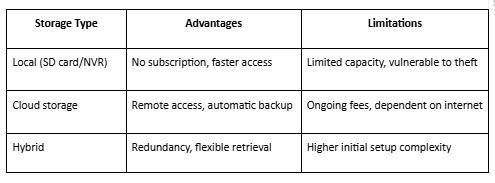
Choosing between these options depends on household priorities — budget-conscious users often favor local storage, while those wanting remote review lean toward cloud or hybrid solutions.
Using Indoor Activity Tracking to Enhance Awareness
Beyond security alerts, many systems now support indoor activity tracking, allowing households to understand movement patterns throughout the day. This is particularly useful for monitoring elderly family members’ routines, confirming pets stay out of restricted areas, or reviewing when children arrive home from school. Activity logs paired with motion zones reduce false alerts by distinguishing routine movement from unusual behavior.
Maintaining and Updating Your System
A surveillance setup isn’t a one-time project. Regular upkeep keeps performance consistent and closes potential security gaps.
-
Update camera firmware on a scheduled basis
-
Clean lenses and housings periodically
-
Review stored footage retention settings
-
Reassess coverage after renovations or furniture changes
Treating maintenance as an ongoing routine, rather than an afterthought, keeps the entire system dependable over time — protecting both property and peace of mind.